We often move through our days on autopilot, making hundreds of small decisions with little to no regard for their long-term repercussions. We choose what to eat for breakfast, which emails to answer first, and whether to hit the gym or the couch after work. Separately, these choices seem inconsequential. Collectively, however, every decision we make acts as a building block, constructing the reality we inhabit. You are where you are right now because of the decisions you have made in the past. Your current health, your career trajectory, the depth of your relationships, and even your internal sense of peace are all direct outputs of a lifetime of choices.
Every decision, no matter how minute, carries a ripple effect. If we consistently decide to eat a healthy meal and move our bodies each day, we are making a conscious investment in our future vitality. We aren’t just eating a salad; we are deciding to feel and look healthy ten years from now. Conversely, when we choose processed sugars and sedentary habits, we are deciding to invite weight gain, health issues, and a general sense of dissatisfaction into our future. The future is not a far-off destination that arrives by chance; it is a manifestation of the “now” that we choose to create.
The Micro-Decision Framework
To understand how our future is shaped, we must look at the anatomy of a choice. Most significant life changes do not happen during “big” moments; they happen in the quiet, mundane intervals of daily life. This is where identity is forged.
🎯
Alignment
Does this choice align with the person I am becoming, or is it a relic of who I used to be?
⚖️
Accountability
Owning the consequence before the action. If I do this, am I prepared for the natural result?
✨
Intentionality
Moving from reaction to action. Choosing based on values rather than temporary impulses.
What Are You Trading for Your Life?
One of the most profound realizations we can have is that every single day, we are trading our lives. Time is the only non-renewable currency we possess. Every hour spent is an exchange. The question isn’t whether you are trading your life, but rather: are you trading it for a less fulfilled existence, or for a life that overflows with meaning and growth?
We trade our lives for a less fulfilled existence when we consistently choose paths of least resistance. This might look like staying in a toxic job, maintaining associations with negative people who add no value to our journey, or participating in activities that move us further away from our core goals. These are not just “bad days”—they are bad trades. Radical self-love, a core pillar of the Mirrors & Growth framework, requires us to be “selfish” enough to protect our time and energy. It means recognizing that you cannot pour from an empty cup and that choosing yourself is the first step toward being able to show up for anyone else.
💡 Insight: Indecision is, in itself, a decision. By refusing to choose a path, you are effectively deciding to remain where you are, allowing external circumstances to dictate your identity.
Consciously considering whether our decisions are a benefit or a detriment is how we begin to develop a new behavior. This shift in consciousness allows us to see the “trade” in real-time. When you reach for the unhealthy meal or choose a night of mindless scrolling over a night of rest or connection, ask yourself: “Is this worth an hour of my life?” Over time, this awareness transforms our default behavior, leading to better choices, a brighter future, and a truly fulfilled life.
The Mirror of Decision-Making
Our choices act as a mirror, reflecting our deepest beliefs about our own worth. Are your decisions reflecting a person who values growth, or someone who is hiding from their potential?
Breaking the Patterns of the Past
To break a behavior, we must first acknowledge and evaluate the patterns we want to change. This is the essence of personal accountability. Change is not a singular event; it is a recipe of effectively and consistently taking action to improve ourselves and our circumstances. However, the process of change is often fraught with internal resistance. When we attempt to change a longtime behavior, we are essentially training our minds to think differently about something that is deeply familiar. The brain loves familiarity, even when that familiarity is painful or counterproductive.
During this process, it is easy to be hard on ourselves. Doubt enters the mind, whispering that we aren’t capable of change or that our past decisions have already sealed our fate. Don’t listen. Fighting through doubt is part of the growth process. It is the “friction” required to forge a new path. This is why surrounding yourself with a supportive “mirror”—people who see your potential and reflect it back to you—is crucial. What we tell ourselves in these moments of transition can either move us forward or stop us in our tracks. Our thoughts create our reality, and by making a firm decision to believe in our own capacity for change, we set the stage for a new future.
The small choices of today build the health of tomorrow.Visualizing the trade: what are you gaining with your time?
The Strength in Asking for Help
True self-love includes the humility to seek out the resources, tools, and people that can help us bridge the gap between where we are and where we want to be. Many of us are paralyzed by the fear of not knowing how to get started. We assume that because it is “our” life, we must figure it out in total isolation. This is a fallacy. Radical accountability doesn’t mean doing it alone; it means taking responsibility for finding the help you need.
Making a decision to create an environment that nurtures your growth in the areas of happiness, health, and wealth is the best trade you can ever make. This might mean hiring a coach, joining a community of like-minded individuals, or finally reading that book that has been sitting on your shelf. When you change your environment, you change the inputs your brain uses to make decisions. You move from a survival mindset—making choices based on fear and scarcity—to a “becoming” mindset, where choices are made from a place of abundance and vision.
Remember, your future is not a mystery to be solved; it is a structure to be built. Every time you choose to speak kindly to yourself, every time you choose to honor your commitments, and every time you choose to walk away from what no longer serves you, you are laying another brick in a foundation that will support your best life. The weight of your future rests on the quality of your current decisions. Choose wisely, choose intentionally, and most importantly, choose with love for the person you are becoming.
Reflecting on Your Journey
Take a moment to step back and look at the “ledger” of your recent choices. To move forward with clarity, consider these two questions:
If you repeated every decision you made today for the next five years, who would you become, and would you actually like that person?
What is one “small” decision you are currently making out of habit that is actually a poor trade for the life you want to lead?
The journey of “Becoming” is lifelong. There is no finish line where decisions no longer matter. Instead, there is a deepening of wisdom, where we learn to make choices that are more aligned, more honest, and more transformative. Your future self is waiting for you at the intersection of the choices you make today. Give them a future they can be proud of.
In our modern, fast-paced society, we are constantly bombarded by a never-ending stream of demands. Whether it is the persistent ping of a smartphone, the mounting pressure of professional deadlines, the needs of our children, or the expectations of our aging parents, there is always something vying for our attention. We live in an era where everyone and everything seems to be chipping away at our most precious and non-renewable resource: time.
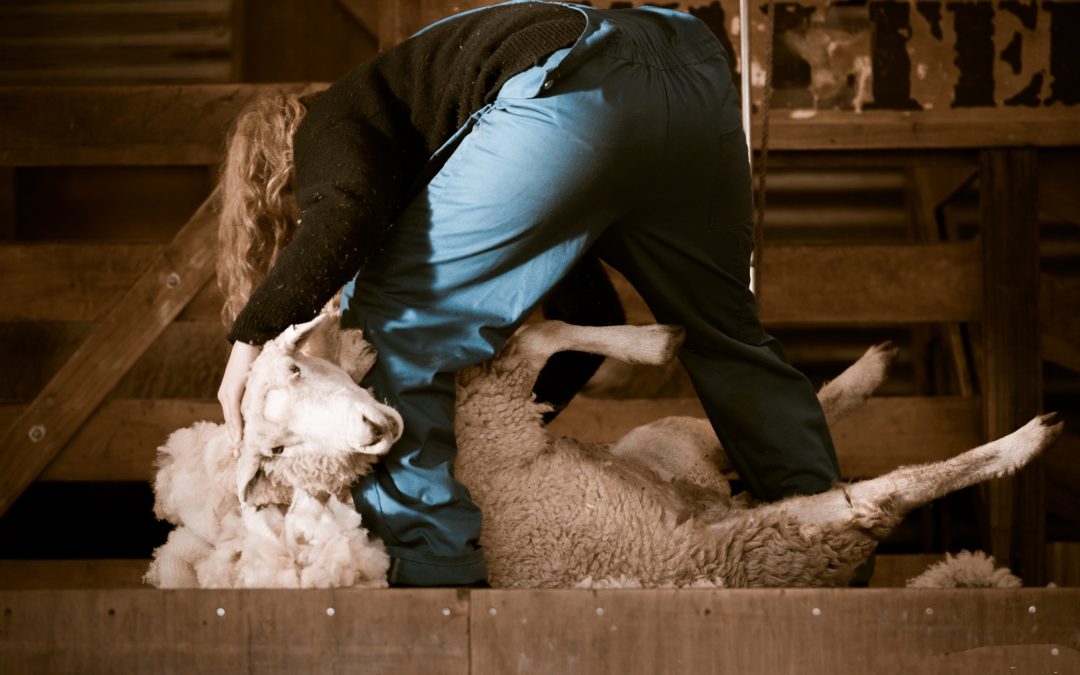
This constant erosion of our personal time has led to a quiet, pervasive epidemic: neglect. Neglect is not always loud or violent; often, it is subtle, creeping into our lives through the cracks of our busy schedules. When left unaddressed, neglect slowly hurts and eventually kills the spirit, the body, and the mind. To live a life of purpose and alignment, we must recognize this pattern and stop it immediately. We must ask ourselves: in the pursuit of caring for everyone else, have we become the sacrificial lamb?
Defining the Shadow: What is Neglect?
Neglect is often defined as the result of carelessness, indifference, or an unwillingness to attend to what is necessary. It can be a verb—the failure to care for something properly—or a noun—the state of being uncared for. In the context of our personal growth, neglect manifests as the consistent habit of putting off our basic human, emotional, and spiritual needs.
We often view sacrifice as a virtue. We tell ourselves that it is honorable to suffer so that others may thrive. However, when we place our own needs, desires, and health on the back burner, we are effectively denying ourselves self-love. Within the framework of Mirrors & Growth, we understand that radical self-love is not a luxury; it is a prerequisite for truly loving others. If you are empty, you have nothing of substance to give. The “sacrificial lamb” mentality is not as noble as it seems; in the long run, it depletes you and eventually harms the very people you are trying to protect.
The face of chronic self-neglectReclaiming your autonomy
The Mirrors of Neglect: An Identity Wound
From the perspective of identity and accountability, being treated as the sacrificial lamb is often a reflection of unspoken agreements we have made about our own worth. Our relationships act as mirrors. If you find that the world consistently neglects your needs, it is time to look into that mirror and ask: How am I neglecting myself?
Neglect is an identity wound. It stems from a belief that our value is tied solely to our utility—to what we can do for others—rather than who we are. When we tolerate neglect from others or inflict it upon ourselves, we are reinforcing a story that we are secondary characters in our own lives. We sacrifice our peace of mind for our employers, our time with spouses for aging parents, and our health for the convenience of others. Accountability means recognizing the role you have played in tolerating this neglect and choosing to rewrite that story starting today.
⚖️
Relationship Neglect
Giving until there is nothing left, often creating resentment and emotional distance instead of true connection.
💼
Professional Neglect
Sacrificing health and mental clarity for a business that would replace you in a week if necessary.
🍎
Physical Neglect
Ignoring the body’s signals for rest, nutrition, and movement in favor of “getting things done.”
The Vicious Cycle of “One Day”
Neglect thrives in the future tense. It is the silent killer of dreams because it always promises that relief is just one milestone away. Many of us are unknowingly walking around with anxiety and depression, masked by the frantic pace of our “sacrifices.” We tell ourselves a series of lies that keep the cycle of neglect spinning:
“One day” we will start that diet or make that lifestyle change once the kids are older.
“One day” we will finally take that vacation once this project at work is finished.
“One day” we will pursue that business idea or passion project once we have more “security.”
The truth is that “one day” is a mirage. Time is precious, and neglect is the thief that steals it under the guise of responsibility. We cannot keep telling ourselves that we are happy taking care of others while we are emotionally drowning. To experience life at its optimal level, you must realize that putting yourself first is the only way to ensure you have the strength to care for those you love.
💡 Philosophical Insight: Boundaries are not walls intended to keep people out; they are the gates that protect the garden of your soul. Without them, your energy is a common ground that anyone can trample.
Breaking the Cycle: From Accountability to Action
How do we stop being the sacrificial lamb? It begins with a radical shift in perspective. You must accept that you are the primary architect of your life. If you feel neglected, you must examine where you have failed to set boundaries. Setting boundaries is an act of self-love, and it is the only way to break the cycle of self-inflicted neglect.
We often fear that by putting ourselves first, we will be labeled as selfish. But there is a “subtle art” to being healthily selfish. It is the recognition that you are a human being with limits. When you take better care of yourself, you show up in your relationships with more patience, more presence, and more genuine love. You stop being a martyr and start being a partner, a parent, and a leader who leads by example.
Turn “One Day” Into Today
Your journey toward becoming begins with the decision to stop neglecting your own existence. Reclaim your time and your identity.
The process of “becoming” is not a destination you reach; it is a lifelong journey of intentional growth. To grow, you must shed the old skin of the sacrificial lamb. You must look into the mirror of your daily habits and ask if they reflect a person who values their own life. Neglect shows up in how we treat ourselves, what we eat, the internal dialogue we maintain, and the standards we set for our relationships.
We are more in control of our lives than we think. We have the power to take immediate action. This doesn’t mean you stop caring for others; it means you stop caring for others at the expense of your soul. You are allowed to be the priority. You are allowed to have needs. You are allowed to say “no” to the demands that drain your spirit.
Area of Focus
The “Today” Action
Physical Health
Schedule 30 minutes of movement or a proper meal.
Emotional Peace
Set one firm boundary regarding your personal time.
Spiritual Growth
Spend 10 minutes in silent reflection or journaling.
The transition from neglect to nurturing is a powerful act of reclamation. It requires you to look at the “unspoken agreements” you’ve made—perhaps you agreed to be the one who always says yes, or the one who never complains. Breaking these agreements is uncomfortable, but it is necessary for your survival and growth. Remember, you cannot pour from an empty cup, and you cannot lead others to a place of health if you are yourself in a state of decay.
Final Reflection
Neglect is a silent thief, but awareness is the light that drives it away. By choosing to stop being the sacrificial lamb, you are not being selfish in the traditional sense; you are being wise. You are acknowledging that your life has intrinsic value that is not dependent on your level of exhaustion. It is time to turn the “one day” of your dreams into the “today” of your reality.
📋 Reflection Questions:
What is one “unspoken agreement” you’ve made that allows others to neglect your needs?
In what area of your life are you currently acting as the sacrificial lamb, and what is the very first step you can take today to reclaim that space?